Sustainable Construction Practices in India: Green Buildings and What They Mean for Buyers
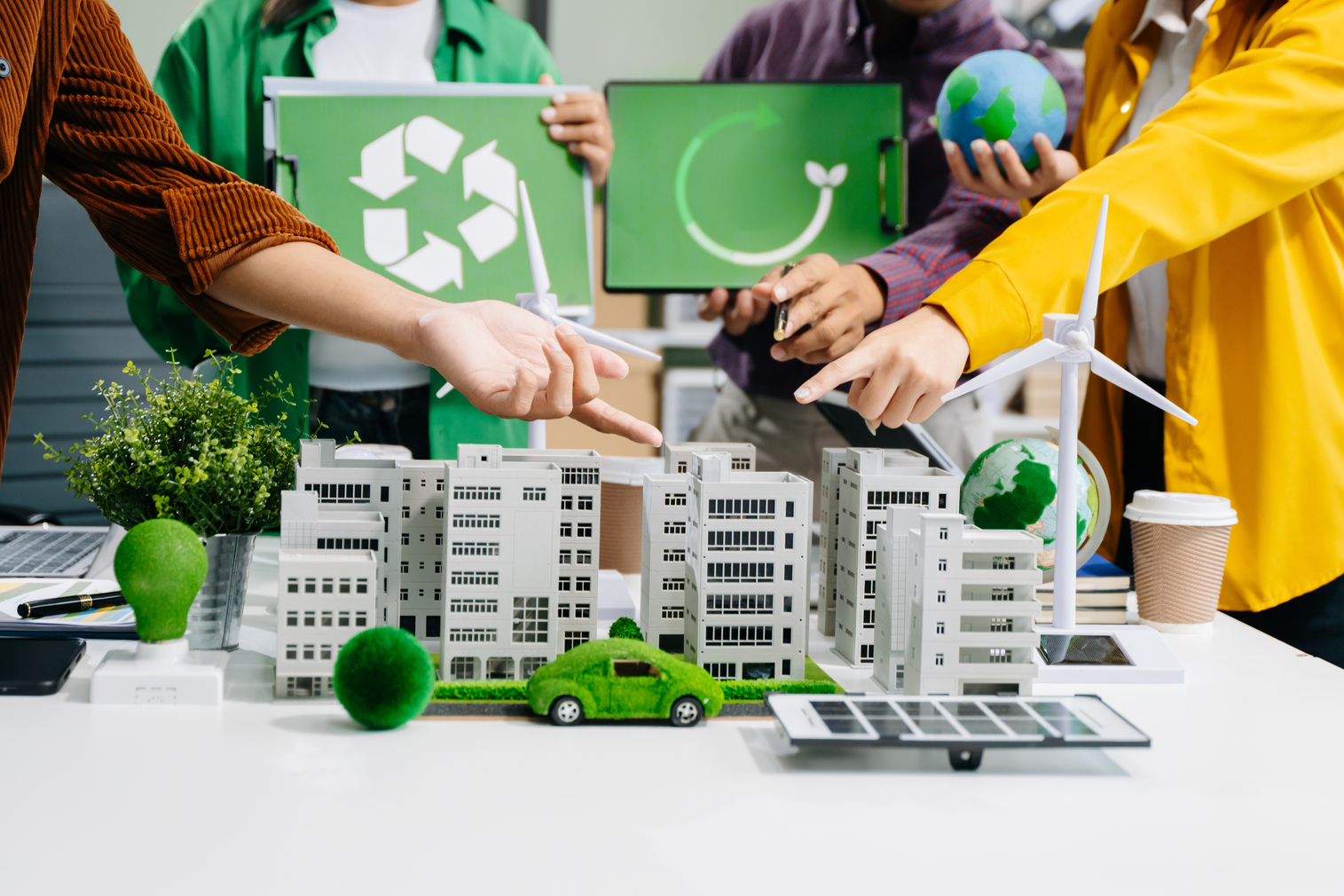
Green buildings in India are no longer just a trend — they reduce energy bills, improve air quality, and increase resale value. Here's what sustainable construction looks like in practice.
Sustainability in construction is no longer a luxury feature reserved for premium projects. As energy costs rise and environmental awareness grows, green building practices are becoming standard across India's real estate sector — and buyers are taking notice.
What Makes a Building "Green" in India?
In the Indian context, a green building typically refers to a structure that is certified under IGBC (Indian Green Building Council) or GRIHA (Green Rating for Integrated Habitat Assessment) standards. These ratings evaluate a building on energy efficiency, water conservation, use of sustainable materials, and indoor air quality.
However, even without formal certification, many modern construction companies — including Vibgyor Inframech — incorporate sustainable practices as a matter of course.
Key Sustainable Practices in Modern Construction
Rainwater Harvesting
Maharashtra receives significant rainfall, and capturing this water for reuse in toilets, landscaping, and groundwater recharge significantly reduces a building's municipal water dependency. This is now mandatory for large residential complexes in Pune under PMC regulations.
Solar Power Integration
Rooftop solar panels for common area lighting and water heating are increasingly standard in new residential projects. They reduce electricity costs for residents and lower the housing society's maintenance expenses over time.
Fly Ash and AAC Block Construction
Replacing traditional red bricks with fly ash bricks or Autoclaved Aerated Concrete (AAC) blocks reduces the structural dead load, improves thermal insulation, and uses industrial waste material — making the construction both lighter and more eco-friendly.
Organic Waste Management
Composting units and segregated waste collection systems are becoming standard in responsible residential projects, reducing the burden on municipal landfills.
Benefits for Homebuyers
Green features translate directly into lower utility bills. A well-insulated flat with solar water heating and efficient lighting can save a household ₹3,000–₹8,000 per month in electricity and water costs. Green-certified buildings also tend to have 5–10% higher resale values compared to conventional buildings.
Vibgyor Inframech's Commitment to Sustainability
At Vibgyor Inframech, sustainability is built into our design and construction process — not added as an afterthought. From responsible sourcing of materials to waste management on construction sites, we aim to reduce the environmental footprint of every project we build.
Learn more about our projects and our approach to quality construction by exploring our services.